

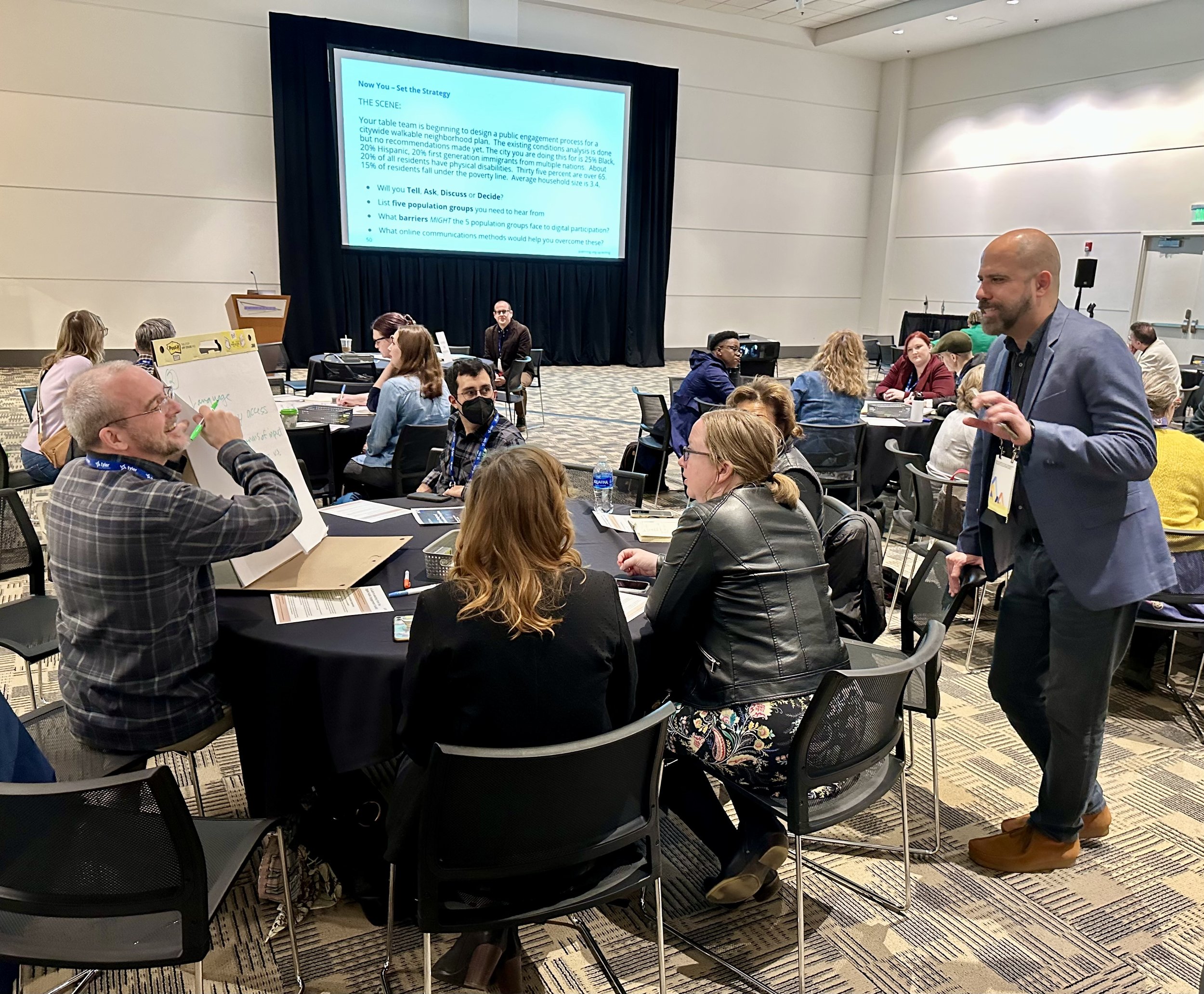
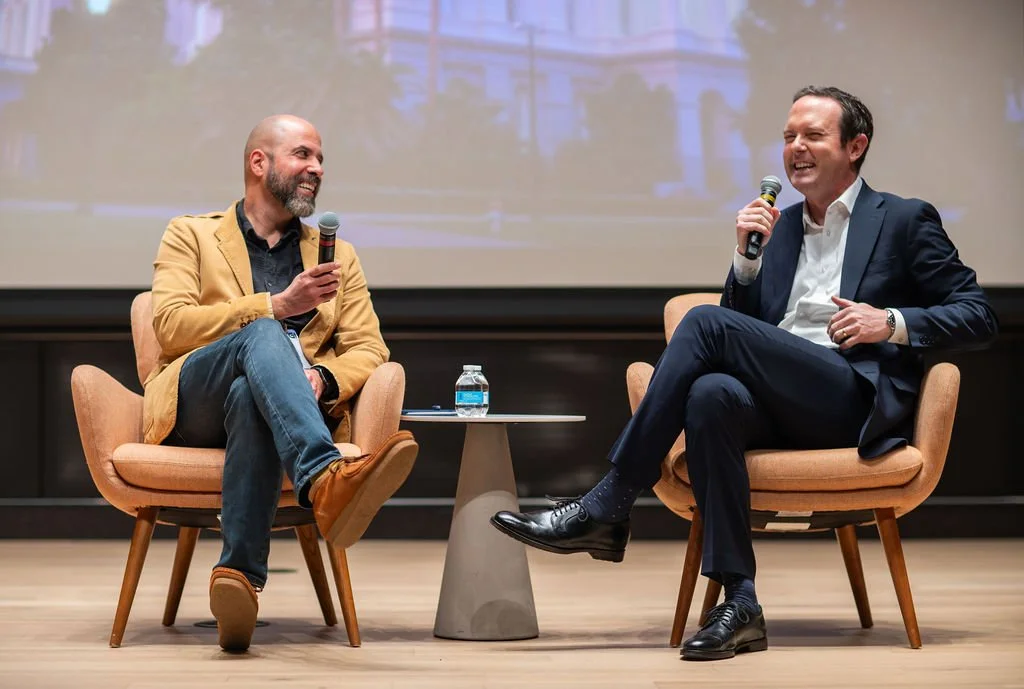
This video shows how I think about public initiatives: what it takes to move them from approval to delivery.
About Nader Afzalan, Ph.D.
I help public initiatives deliver, for everyone they are meant to serve.
Plans get approved. Delivery is the hard part. I work with people responsible for public initiatives: program leaders in state and local government, the community organizations that deliver with them, the funders that back the work, and companies carrying public commitments such as community benefits agreements, utility programs, and workforce agreements.
How I Work
My focus is implementation: the stretch between an approved plan and results people can see in their neighborhood. I work in three ways.
Training and coaching. Bring a real initiative and the people responsible for it. Leave with a team that can scope it, run it, and show it worked.
Evaluation and learning. Measurement scoped to what the initiative needs, during or after, so you can see what is working, show it to the people who will ask, and use the lessons next time.
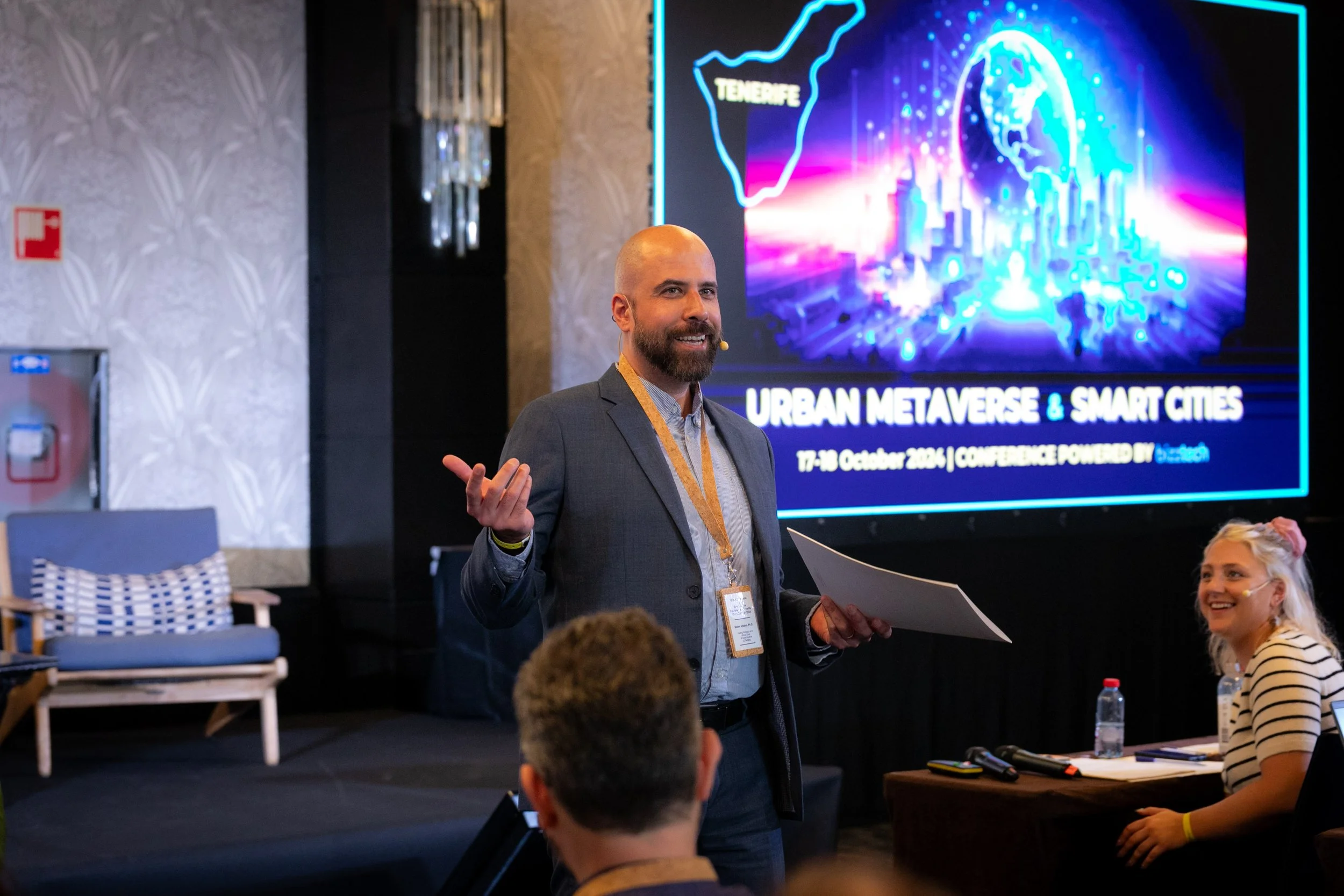
Speaking. Keynotes and conference sessions on delivering public initiatives, using data and AI from engagement through implementation, and measuring what matters.
Everything is built with your team, so the capability stays after the engagement ends.
Professional Path
I have spent more than 20 years working across sectors: government, nonprofits, academia, start-ups, and consulting. That range lets me see a public initiative from every side: how the policy is written, how the funding flows, how the work gets delivered with communities, and how results get measured.
I currently serve as Program Director of Sustainable Environmental Design at UC Berkeley. Earlier highlights include serving as Senior Advisor in the California Governor’s Office on California Jobs First, advisor to the White House Office of Science and Technology Policy, and reviewer for multi-billion-dollar EPA grant programs. Internationally, I led research for THE LINE at NEOM in Saudi Arabia, advised the Yunnan Province in China on using big data to design eco-tourism strategies, and collaborated with aboriginal communities in Panama on community development initiatives. Through The Triangle, I bring that experience to the people responsible for delivering public initiatives.
Research and Field Leadership
I have served as Associate Editor and Lead Author for California’s Fifth Climate Change Assessment, contributed to federally funded research initiatives, and published more than 30 peer-reviewed articles and book chapters.
I also serve on scientific advisory committees and expert panels focused on climate, health, and equity, including for Lever for Change, the National Institutes of Health, and the State of California.
Let’s Connect
If you are responsible for a public initiative and want it to deliver, let’s talk.
Why This Work Exists
I started this work after watching well-funded initiatives fall short.
It started in a meeting where a proposal was presented to allocate more than $250 million to a set of activities that no one in the room could clearly connect to the initiative’s goals.
When asked how these investments would lead to meaningful outcomes, there was no convincing answer.
Over time, I realized this was not an isolated incident.
I saw similar patterns across housing, climate, workforce, and community development initiatives. Teams were working hard, often under intense pressure, but lacked shared clarity about success, meaningful feedback loops, and the ability to adapt.
Leaders set ambitious goals: improving quality of life, strengthening local economies, increasing resilience. Turning those goals into work that delivers proved difficult.
The result was predictable: deadlines slipped, staff burned out, trust eroded, and lessons went unused.
Most teams already had the experience and data they needed. What they lacked was a way to use it while the work was underway.
That insight reshaped my work. I now help teams set a purpose everyone involved can stand behind, bring the right people in, plan backward from outcomes, and track what is working as they go.
Underneath every case, I kept finding the same four questions. They now guide everything I do through The Triangle. See the four questions.