Two and a Half Hours, Four Climate Hazards, Real Solutions
A data-to-action workshop with UC Santa Cruz’s Coastal Science and Policy Program
What can a small team do with a climate question, free online tools, and 150 minutes? Quite a lot, it turns out.
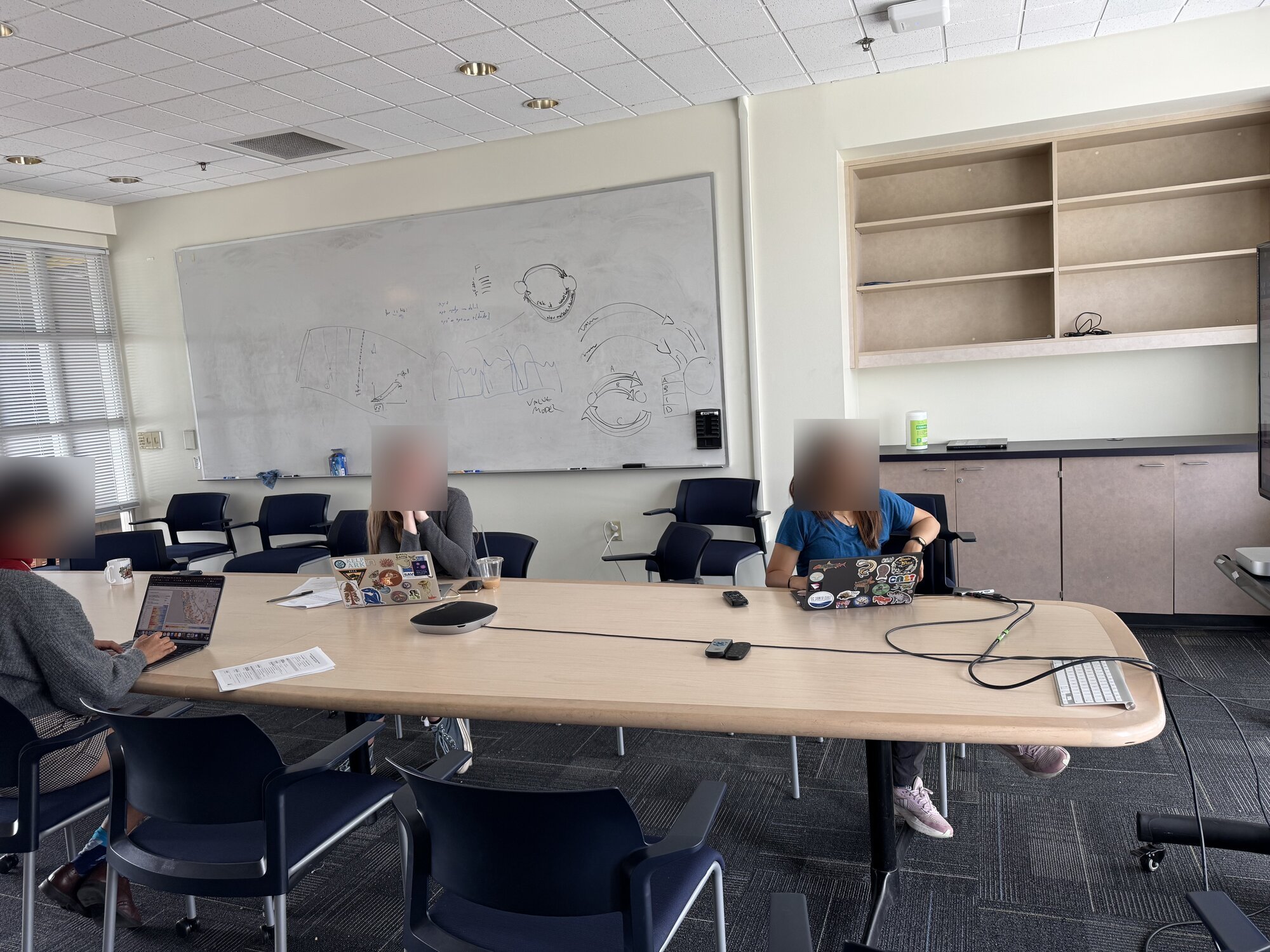
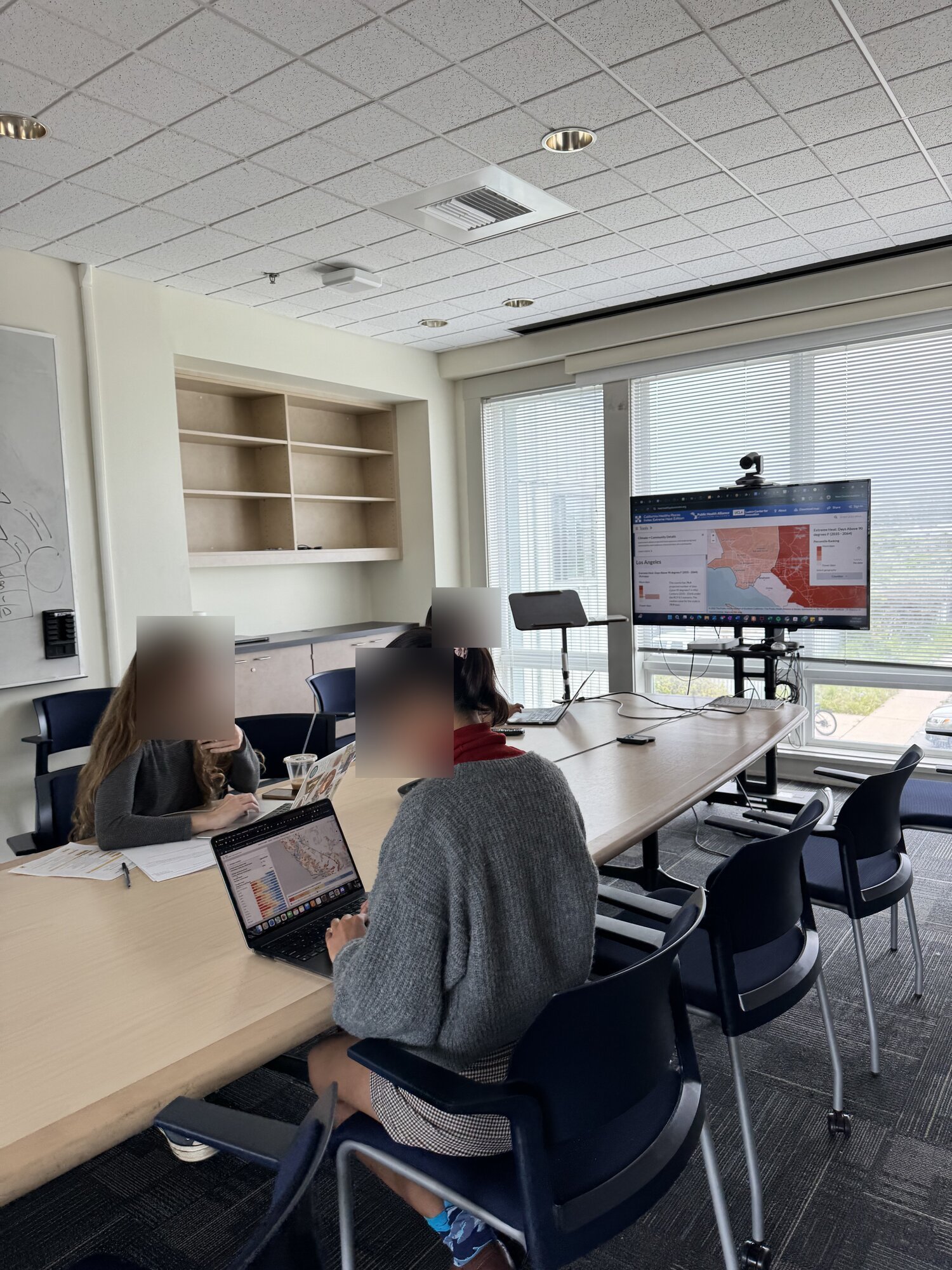
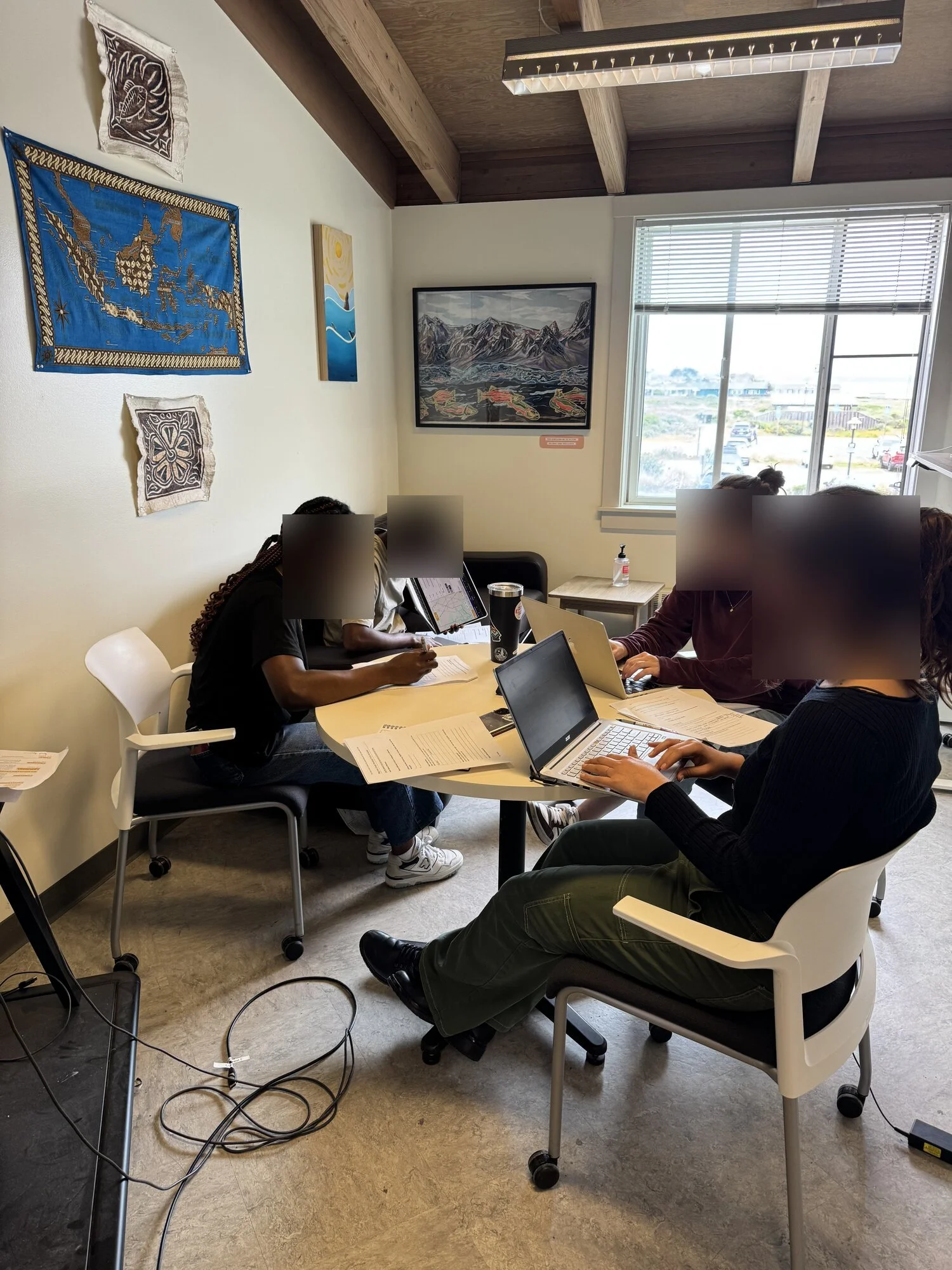
In 2.5 hours workshop, graduate students in UC Santa Cruz’s Coastal Science and Policy Program worked in small teams. Each team picked a climate hazard and a California region. Most students were using these data tools for the first time. By the end of the session, every team had gone from a question to a regional risk profile, a SWOT analysis, and a set of practical solutions, and had presented the results to the room.
How it worked
Teams used The Triangle’s Data Toolkit and our ACT framework (Aim, Context, Target) to quickly choose the right tools for their question. They then worked through four steps:
Explore: Who is most affected, which systems are at risk, and where are the impacts concentrated?
Analyze: What strengths, weaknesses, opportunities, and threats shape the region’s resilience?
Design: What policies or programs could make a difference?
Share: Present the findings and proposals clearly and with confidence.
What the teams found
Extreme heat in Tulare County. The team focused on farmworkers in the nation’s top agricultural county, where tree cover is about 5% and many workers are in heat-exposed jobs. Their proposals included stronger enforcement of labor protections, outreach to workers on heat risks and their rights, and better housing standards such as air conditioning.
Sea level rise and flooding in Santa Cruz County. The team mapped risk in Beach Flats, Watsonville, and along West Cliff Drive. They connected their findings to the Pajaro River levee repair and floodplain restoration work already underway.
Wildfire in Isla Vista. The team found that roughly 870 homes are at risk. They proposed a community-specific evacuation plan built with UCSB and local residents, more staffing for the local fire station, and renter’s insurance requirements.
Drought in San Diego County. The team showed that almost the entire county is in severe drought. They highlighted tribal reservations as especially vulnerable and identified water reuse, nature-based solutions, and regional collaboration with Baja California as opportunities.
See the student presentations
Each team's final slides are below. Open one, or download all four as a single file. Most students got into the training without much background in data analytics and policy.
The following are the result of 2.5 hours of work, and no AI use.
Download all four presentations (ZIP)
Download The Triangle’s Data Toolkit (PDF)
“It’s often easy to think that we just need more data or information to answer resilience questions, but in Nader’s half day workshop focused on developing regional climate resilience profiles for community impact, our students gained valuable skills for asking targeted questions, performing rapid assessments using free online tools, and drawing preliminary conclusions from the exercise. We are excited to work with the Triangle team again!” Sarah Eminhizer, Director of Programs and Workforce Development, Coastal Science and Policy Program, UC Santa Cruz