
Two Hours, One Hard Question: What Does Success Look Like?
A hands-on metrics workshop with the We Prosper Together Leadership Council, supported and funded by Valley Vision
How do you know if a regional economic program is working? Agreeing on the answer is harder than it sounds, especially when the people at the table represent eight counties, many sectors, and many communities.
In March 2025, we ran a 2-hour hands-on workshop with the Leadership Council of We Prosper Together (WPT), the Capital Region's California Jobs First collaborative. Valley Vision, WPT's regional convener, supported and funded the workshop as part of a larger effort to build WPT's logic model, strategies, and success metrics.
Who joined
Members of the WPT Leadership Council, the collaborative's representative decision-making body. Members came from county and city governments, workforce agencies, community colleges, community-based organizations, economic development offices, and industry groups across El Dorado, Nevada, Placer, Sacramento, Yolo, Colusa, Sutter, and Yuba counties.
Purpose
Agree on how WPT will define and measure success: the thresholds every project should meet, the success factors that matter most, how much weight each one carries, and the metrics WPT will track.
How it worked
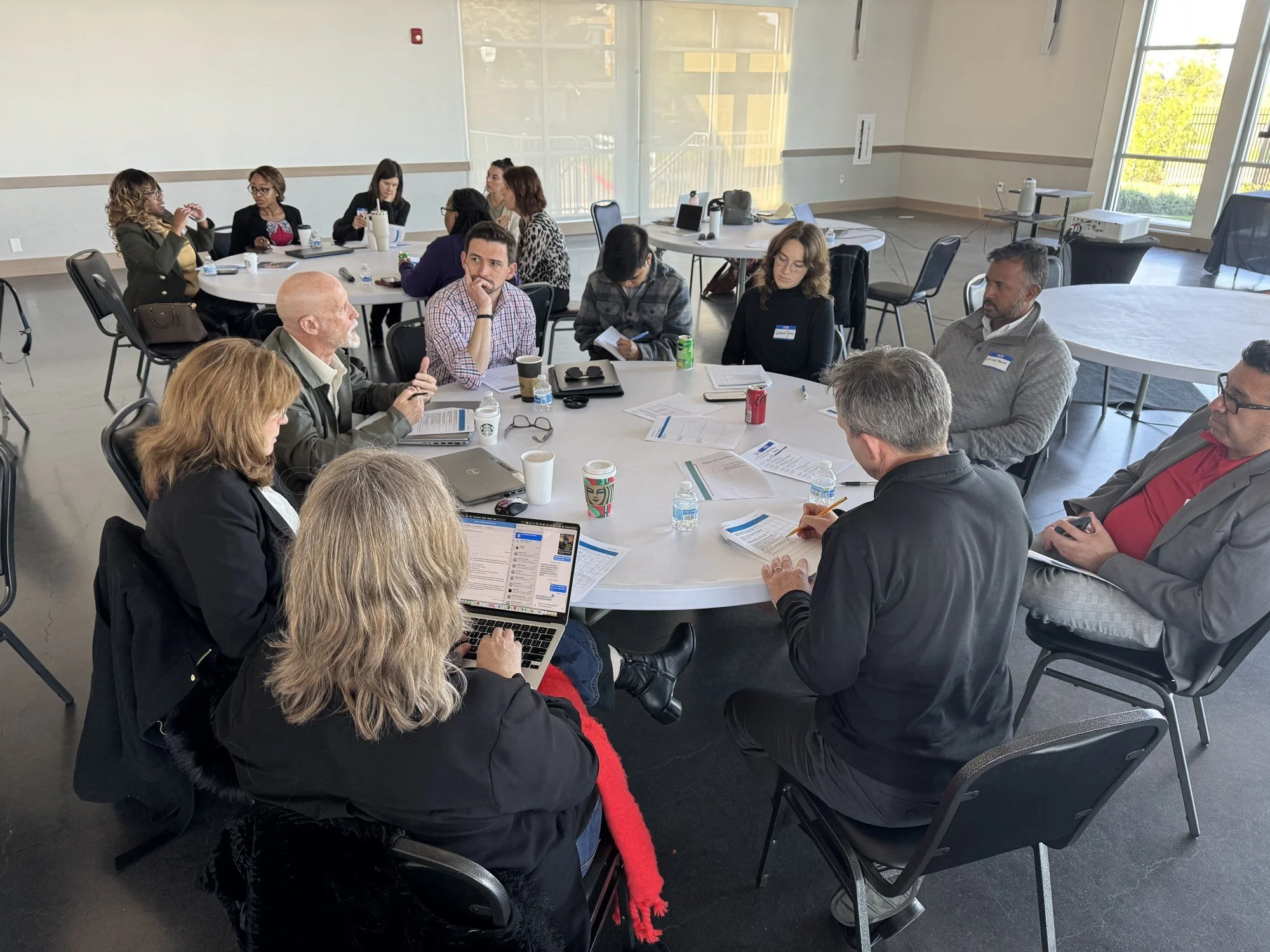
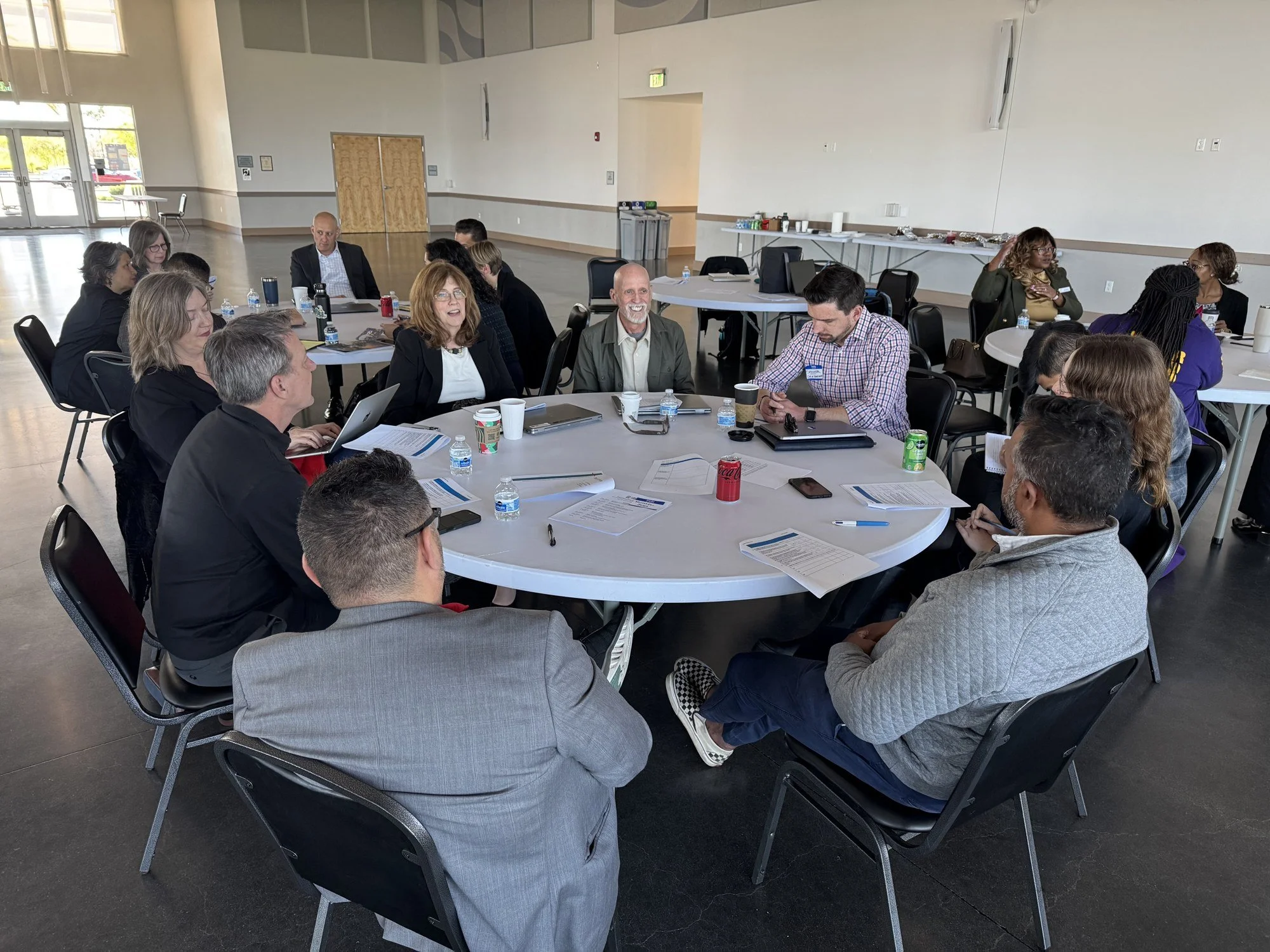
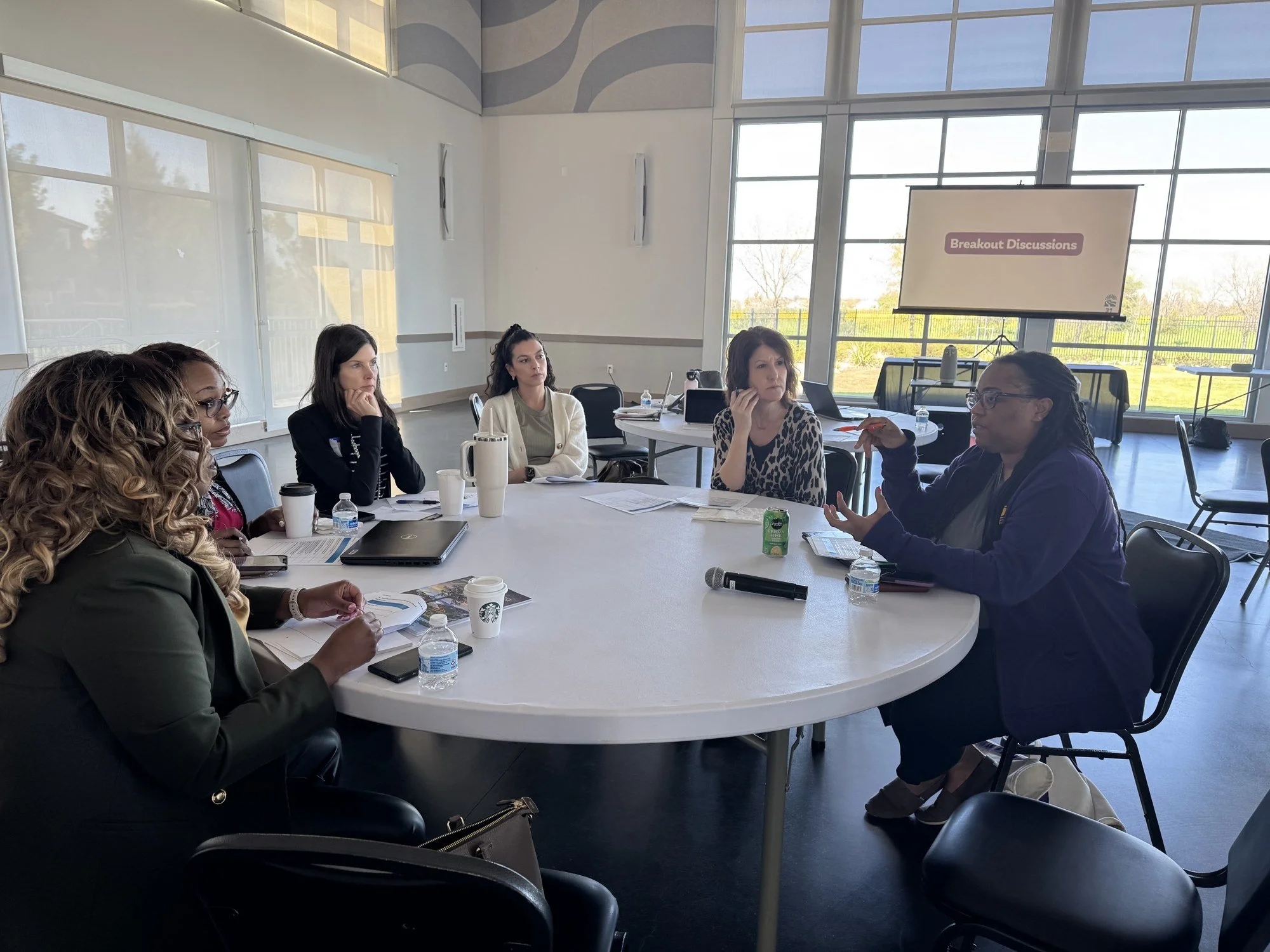
Before the session, council members completed a survey reviewing three success thresholds and rating 18 draft metrics tied to WPT's strategies. We used the results to shortlist 13 metrics for the room. Small groups then worked through a printed worksheet in four steps:
Discuss thresholds (15 min): Strengths, challenges, and alternatives for three thresholds. Equity: at least 40% of benefits reach disinvested communities. Climate: no environmental harm. Job quality: self-sufficiency wages, healthcare benefits, and predictable hours.
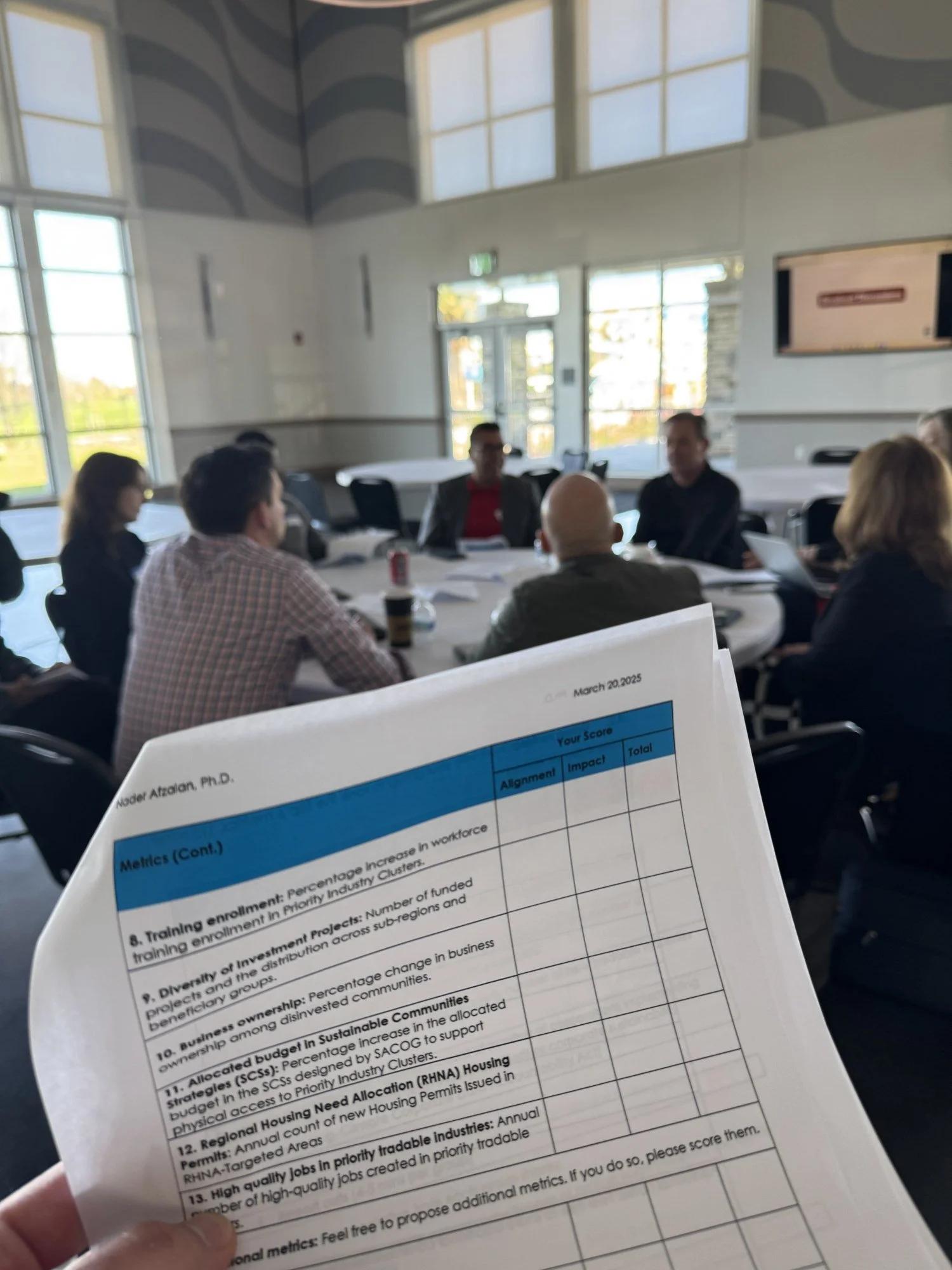
Score metrics (30 min): Each person scored every shortlisted metric for alignment with WPT's goal and for impact. Each group then agreed on its top six.
Report out: Each group shared its threshold feedback and top six with the full council.
Vote: Members voted on the final set of metrics from their phones.
What came out of it
The most valuable part was the discussion itself. Members had detailed, and sometimes hard, conversations about what should count as success and how to rate each metric. The session produced:
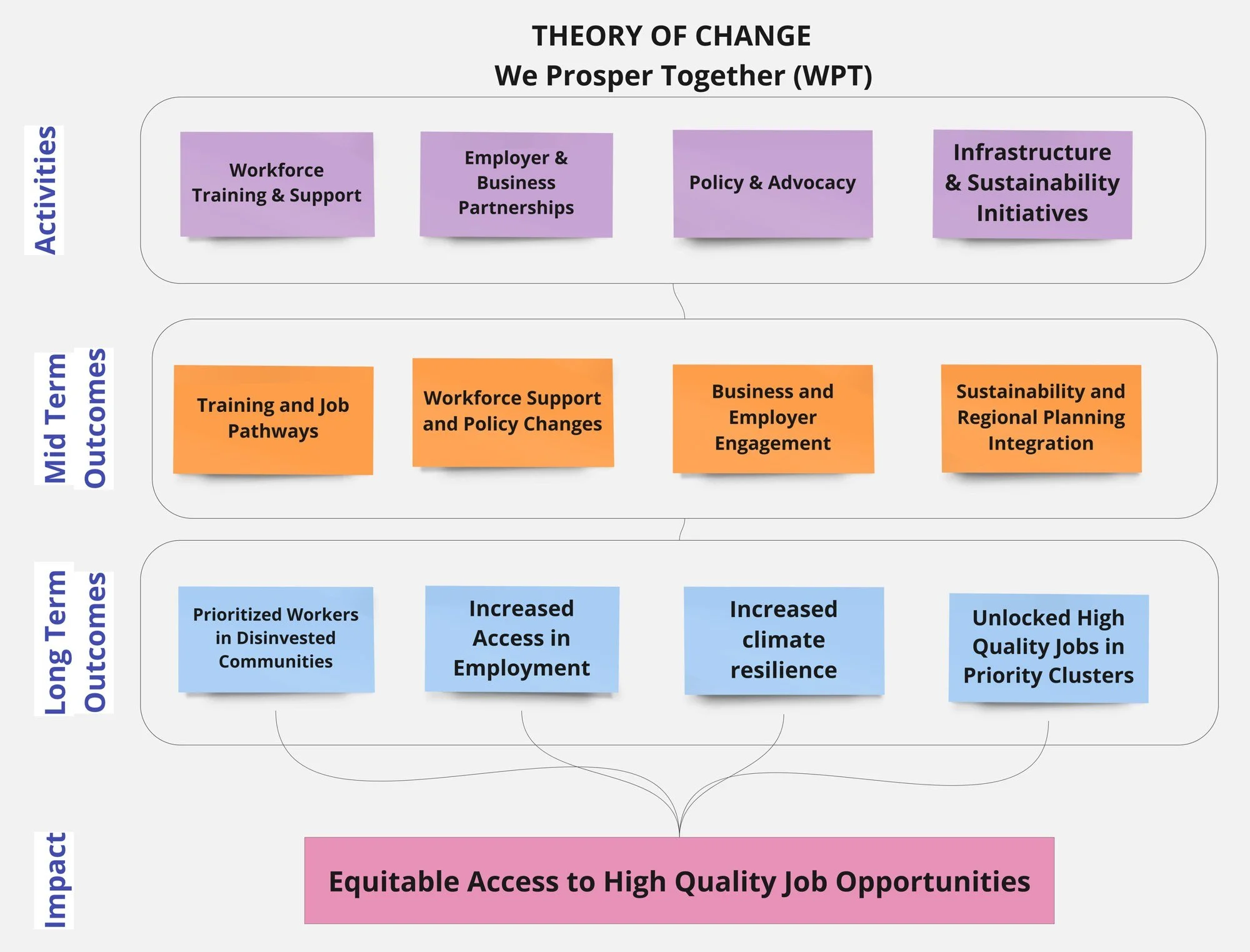
Key success factors and their importance. The council confirmed four priorities, in order: prioritizing workers in disinvested communities, increasing access to employment, unlocking high-quality jobs in priority sector clusters, and increasing climate resilience.
Tested thresholds. Several members pushed to raise the equity threshold to a majority of benefits and asked for one consistent definition of disinvested communities. The no-harm climate rule had broad support. For job quality, members backed a wage floor and asked for flexibility on predictable hours and for rural counties.
A selected set of metrics. The top-rated metrics focus on outcomes for people: employment success after training, participation and completion rates, training enrollment from disinvested communities, availability of affordable childcare, alignment between training and market demand, and growth in priority sector jobs.
These results fed directly into WPT's final report on thresholds, metrics, and strategies.
See the workshop materials
Each group worked from a printed worksheet that walked them through the thresholds, the scoring, and the group ranking. The worksheet includes the county self-sufficiency wage table and the scoring sheet for all 13 shortlisted metrics.
Download the workshop worksheet (PDF)
Thank you to Valley Vision for supporting and funding this workshop, and to the WPT Leadership Council members for the candid and thoughtful discussion.